
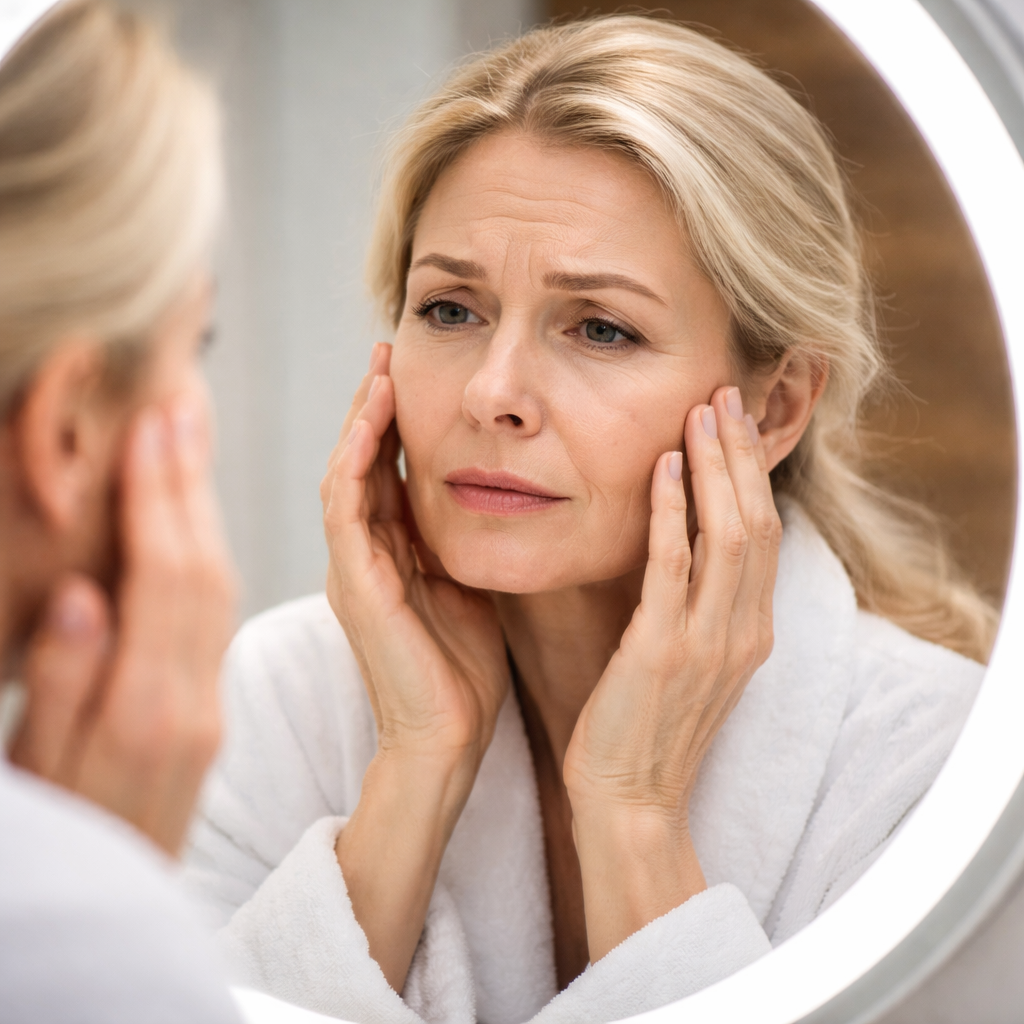
Facelift (Rhytidectomy)
/2 Comments/in Face/by Ege ÖzgentaşSurgical and Non-Surgical Approaches to Facial Rejuvenation
Facial aging is a complex process involving the skin, subcutaneous tissues, facial fat compartments, muscles, and underlying skeletal support. Changes in skin texture, elasticity, and facial contours significantly influence perceived age and overall facial attractiveness. Among facial rejuvenation procedures, facelift (rhytidectomy) remains the most effective and reliable method for restoring a youthful facial appearance.
Classical Facelift Surgery
A facelift is a well-established surgical procedure designed to reposition sagging facial tissues and remove excess skin. In the classical facelift technique, the facial skin is carefully elevated from the underlying structures, excess skin is excised, and the remaining skin is redraped and sutured in a natural, tension-free manner.
Modern facelift surgery is not limited to skin tightening alone. Numerous variations exist depending on:
-
The handling of deep facial tissues, particularly the SMAS (Superficial Musculoaponeurotic System) and platysma muscle
-
The extent of skin undermining
-
The specific regions addressed (midface, jawline, neck)
Techniques such as SMAS plication, SMASectomy, deep-plane facelift, and neck lift combinations allow for more durable and natural results. When properly planned and executed, facelift surgery provides the most long-lasting and comprehensive rejuvenation, especially in patients with moderate to advanced facial aging.
Because it is a major surgical procedure, facelift surgery should be performed in a fully equipped hospital setting under anesthesia, with appropriate preoperative evaluation and postoperative care.
Lifting Without Skin Incisions (Minimally Invasive Techniques)
In recent years, less invasive facial lifting techniques have gained popularity, largely driven by patient demand for shorter recovery times and outpatient procedures.
One commonly used method involves barbed (suspension) sutures, which are placed beneath the skin to elevate the cheeks, brows, or jawline without surgical incisions. These procedures are relatively easy to perform and can be carried out in outpatient settings.
However, despite their initial appeal, the long-term effectiveness of barbed suture techniques remains controversial. While early results may be noticeable, tissue support weakens over time, and outcomes often diminish within months to a few years.
Similarly, cheek, brow, and neck lifting using conventional surgical sutures under local anesthesia can provide temporary improvement. Although early postoperative results are often satisfactory, these techniques do not address deeper structural aging and therefore lack long-term durability.
Choosing the Appropriate Technique
Facial rejuvenation should be individualized, taking into account:
-
Degree of facial aging
-
Skin quality and elasticity
-
Patient expectations
-
Overall health status
While minimally invasive techniques may be suitable for select patients with early signs of aging, surgical facelift remains the gold standard for achieving natural, stable, and long-lasting facial rejuvenation.
A thorough consultation with an experienced plastic surgeon is essential to determine the most appropriate approach and to ensure safe, predictable, and aesthetically pleasing results.


If some one desires expert view about blogging and site-building then i
propose him/her to pay a quick visit this website,
Keep up the fastidious work.
Appreciating the time and energy you put into
your site and detailed information you offer. It’s nice to come across a blog every once
in a while that isn’t the same outdated rehashed information. Excellent read!
I’ve saved your site and I’m including your RSS feeds to my Google
account.